
Reviewed · PHUKET ELEPHANT SANCTUARIES
Phuket: Eco Guided Tour at Elephant Sanctuary
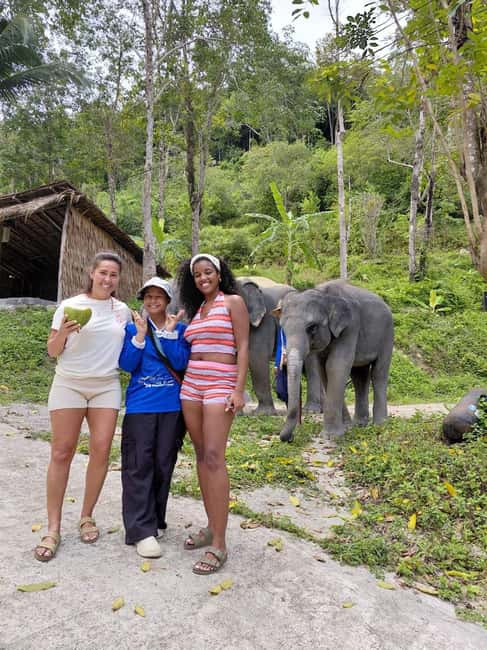
The most interesting part of this visit is its clear choice to let elephants follow their own routines. At Patong Hill Tribe Elephant Village, you learn why the sanctuary does not make elephants bathe or play in mud on cue, then meet them for a feeding session.
I like two things in particular: you make the herbal vitamin balls yourself, and the guide explains the work of mahouts, the elephants’ caretakers, rather than treating the animals as photo props. One consideration: 30 minutes is a short visit, so you should see it as a focused introduction, not a full-day sanctuary experience.
What makes this elephant visit different
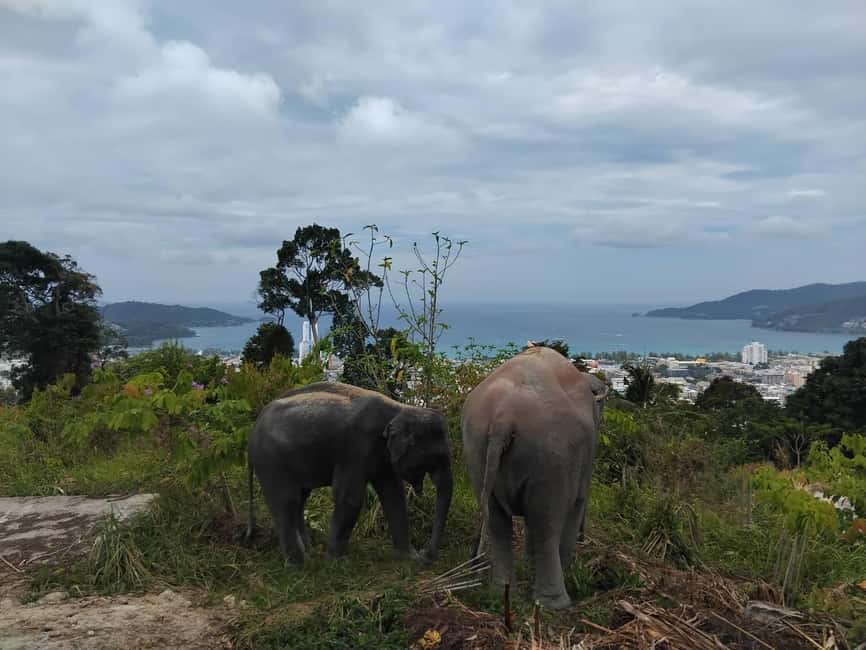
- No scheduled bathing or mud play: The sanctuary says it respects the elephants’ natural behavior and does not force these activities.
- A hands-on food session: You prepare herbal vitamin balls from natural ingredients, then feed them to the elephants.
- A look at mahout care: Learn about the caretakers’ daily work and their close relationship with the elephants.
- A local family story: The guide explains how hill tribe families from Mae Wang in Chiang Mai settled in Patong and continued traditional elephant care practices.
- A short, practical stop: The guided visit lasts 30 minutes, with a 30-minute van ride listed for the transfer option.
- A low-cost way to learn: At $32 per person, the fee covers the activity, feeding, drinking water, and insurance. Transfers are included only if you select that option.
A short visit with a clear purpose
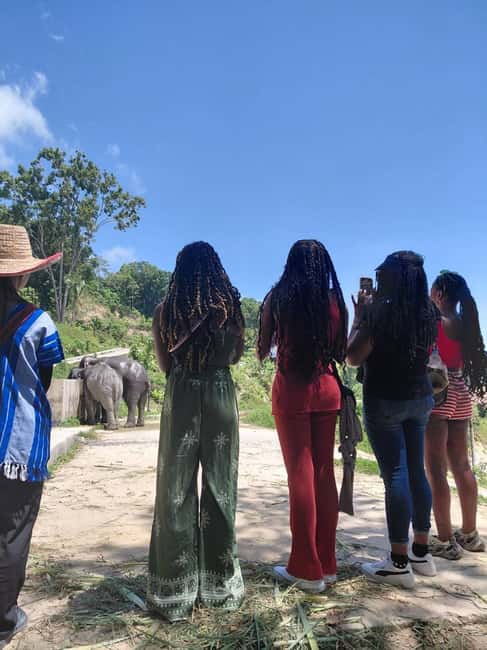
This is not an all-day elephant encounter, and that is useful to know before booking. The main activity lasts half an hour, enough time for a briefing, food preparation, and a meeting with the elephants, but not enough for a long walk or an extended discussion.
I see the visit as a compact introduction to elephant care. You get context before meeting the animals, and the feeding activity gives you a way to take part without expecting the elephants to perform. If you have only a little time in Phuket and want to learn something beyond taking a quick photo, that format may suit you.
The experience is run by Patong Hill Tribe Elephant Village. Its approach is built around allowing elephants to spend the day on their own terms. That does not make a short visit a complete picture of elephant welfare, but the stated rules give you a useful starting point for understanding how this sanctuary wants visitors to behave.
More elephant sanctuaries in Phuket:
- Phuket: Elephant Jungle Sanctuary Ethical Feeding Experience
★ 4.8 · 4,359 reviews - Phuket: Elephant Sanctuary Guided Tour with Hotel Transfers
★ 4.8 · 2,020 reviews - A Morning with the Elephants at Phuket Elephant Sanctuary
★ 5.0 · 1,693 reviews
The briefing: elephants, mahouts, and daily care
The visit begins with an introduction from an English-speaking guide. You learn which elephants you will meet, hear about their daily care, and get an explanation of the differences between wild and captive elephants.
That distinction matters. A captive elephant’s needs and care routine are not the same as those of an elephant living in the wild, and the guide puts the visit in that context before you approach the animals. You can ask yourself what kind of care the elephants receive, and how their caretakers shape their days.
The guide also introduces the mahouts, the people who look after the elephants. Their relationship with the animals is central to this experience, not a side note. You hear about the practical work of care and the bond that develops between a mahout and an elephant.
One detail gives the sanctuary a more specific local story. Hill tribe families from Mae Wang, in Chiang Mai, have settled in Patong and continued traditional elephant care practices. The short briefing connects those roots to the work happening in Phuket today.
A guide named Mayya has led sessions here, and her lively manner has helped make the program engaging. Guide assignments can vary, so think of Mayya as a name you may encounter rather than a guaranteed part of your visit.
Why the sanctuary skips forced bathing and mud play
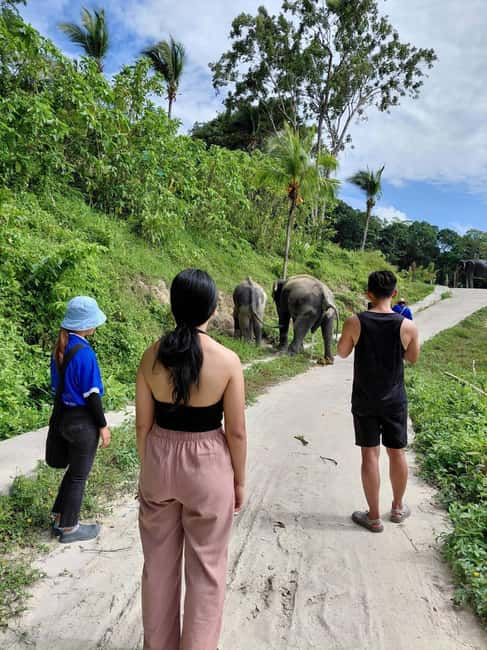
Some elephant activities are built around bathing or mud play. This sanctuary says it does not require either, because it prefers to respect the elephants’ natural behavior and let them choose how to spend their day.
That policy shapes your expectations. You should not arrive expecting to wash an elephant, stage a playful scene, or coax an animal into a particular pose. The rules also say forced interactions are not allowed, and visitors are asked to behave quietly and respectfully around the elephants.
I appreciate that the visit makes this boundary clear. It gives you a more grounded way to meet the animals: observe, listen, and feed them when the session allows. The experience still brings you close, but closeness is not the same as control.
If ethical elephant tourism is your priority, pay attention to what a place allows and what it refuses to ask of its animals. Here, the stated refusal to force bathing and mud play is an important part of the sanctuary’s approach. It is also fair to remember that a brief visit cannot answer every question about an animal’s life or care, so use the briefing to understand the practices you can see and ask about them.
Making herbal vitamin balls by hand
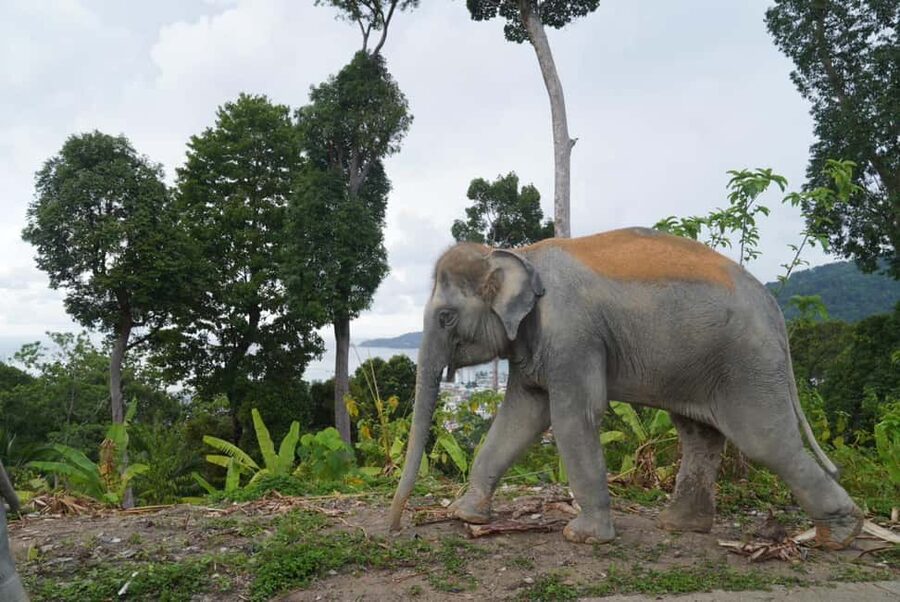
After the introduction, you take part in preparing herbal vitamin balls. They are made from natural ingredients and are described as supporting the elephants’ digestion and health.
This is the most hands-on part before you meet the animals. Instead of simply receiving food to offer, you help make the treats. The activity gives the guide a natural opening to explain elephant nutrition and why food preparation is part of care.
The session is simple, but its value is practical. You get a small task to focus on, and the ingredients become part of the conversation about what elephants eat and how caretakers support their health. It is also a good moment to keep your camera tucked away and pay attention to the instructions.
Then you feed the elephants the treats you have made. That creates the close encounter many people come for, while keeping it tied to a care activity rather than a performance. Follow the guide’s directions, keep your voice low, and do not try to initiate contact beyond what the sanctuary permits.
More guided tours in Phuket:
- Phuket: Guided Tour of Phuket City with Hotel Transfers
★ 4.7 · 2,527 reviews - Phuket: Wat Chalong, Viewpoint, and Old Town Guided Tour
★ 4.5 · 1,875 reviews - Phuket Airport VIP Fast-Track Immigration with Personal Guide
★ 4.5 · 292 reviews - Phuket: Guided Tour to Elephant Sanctuary & Hotel Transfer
★ 4.8 · 292 reviews
Meeting the elephants in their setting
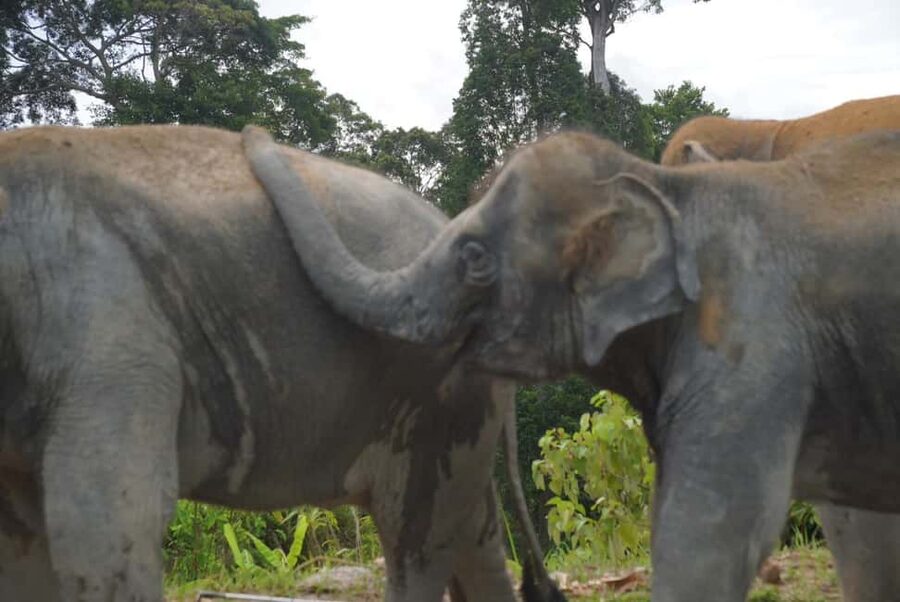
Once the food is ready, you walk through the sanctuary to meet and feed the elephants. The experience describes this as a natural setting, but it does not promise a long forest trek or a specific walking route. Expect a guided visit around the sanctuary, not a wilderness hike.
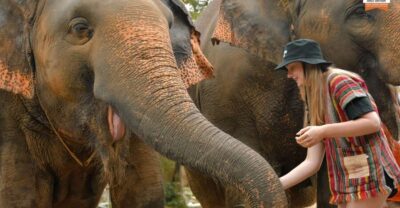
The meeting is designed to be both joyful and informative. As you feed the elephants, the team shares more about nutrition, care, and the connection between each elephant and its mahout. That added explanation helps turn a brief encounter into something more than a photo opportunity.
Bring a camera if you like, but flash photography is not allowed. The sanctuary also asks for quiet and respectful behavior, so take pictures without crowding the animals or trying to get them to react. The rule is simple: let the guide set the pace, and let the elephants decide how much interaction they want.
What $32 covers, and what it does not
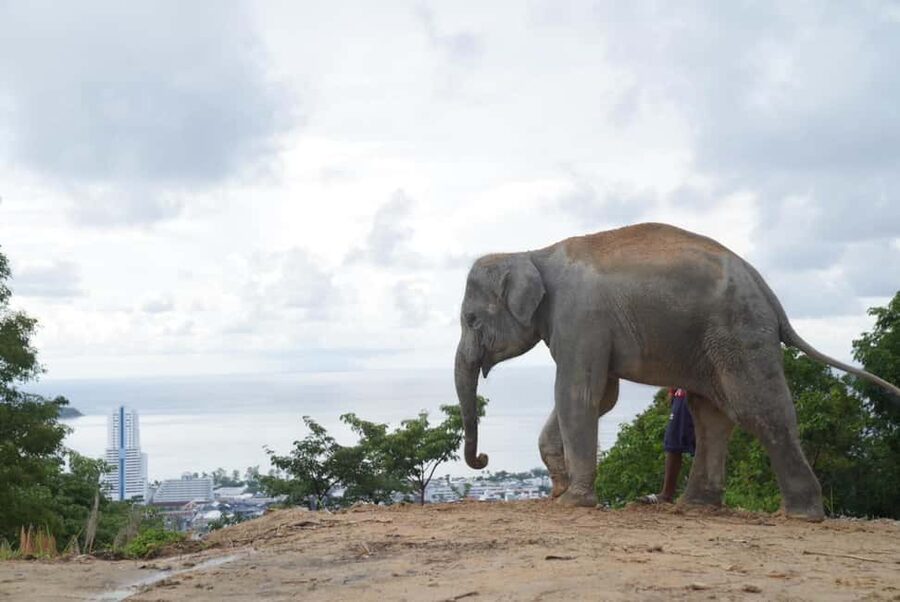
At $32 per person, this is a fairly accessible way to add an elephant-care experience to a Phuket stay. The price covers the herbal food preparation activity, feeding the elephants, drinking water, and insurance. A meal is not included.
Round-trip transfers are included only when you choose an option that includes them. The route information lists a 30-minute van ride and several possible drop-off areas, including Kata Beach, Bang Tao Beach, Karon Beach, Rawai Beach, Panwa, Ao Po Pier, and Laem Hin Lagoon Pier, as well as the village itself. Pickup and drop-off depend on the option you select, so check the details for your chosen location.
The price makes the most sense if you want a brief, organized introduction with transport bundled in. If you are staying nearby or want a longer encounter, compare the experience with other options before deciding. The 30-minute session is its biggest limit: it keeps the visit easy to fit into a day, but it does not leave much room for an extended tour.
Timing, clothing, and comfort
The guided portion lasts 30 minutes, and starting times vary with availability. The transfer option includes a 30-minute van ride, though the exact pickup details depend on your selection. Allow for the transfer separately when planning your day.
Wear comfortable walking shoes, and bring a hat, sunscreen, and insect repellent. Drinking water is provided, but you are asked to bring a reusable bottle. There is no meal included, so plan food around the visit if you need it.
The activity is listed as wheelchair accessible, but it is also marked as unsuitable for people with mobility impairments. Those details do not sit neatly together. If access is important for you, contact the provider before booking and ask what the route and surfaces are like for your needs.
The activity is also listed as unsuitable for pregnant women and people with animal allergies. If either applies to you, take that warning seriously rather than assuming the short duration makes it a good fit.
Who should book this Phuket sanctuary visit
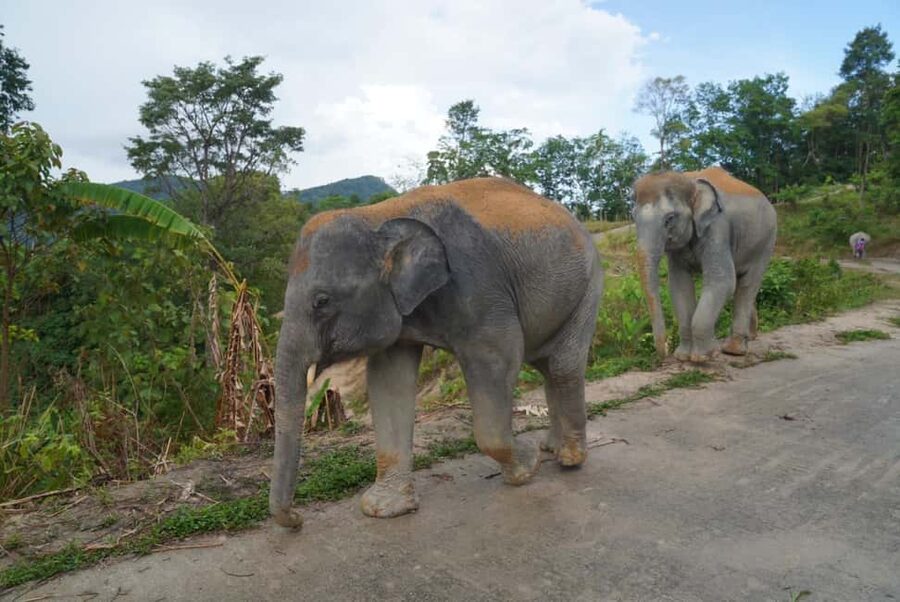
I would consider this experience if you want a concise introduction to elephant care, prefer an activity with a clear hands-on element, or have limited time in Phuket. The food preparation and feeding give you something to do, while the briefing provides context about captive elephants and their mahouts.
It may also suit families or couples looking for a structured animal encounter, provided everyone can follow the quiet-behavior rules and the suitability guidance. The program is in English, and the guide’s explanations are a key part of its value.
I would look elsewhere if you want a long visit, a substantial walk, or a meal as part of the program. And if your idea of an elephant encounter depends on bathing, mud play, or close contact on demand, this sanctuary’s approach is deliberately different.
There is free cancellation up to 24 hours in advance, and a reserve-now, pay-later option is available. Those terms can help if your Phuket plans are still taking shape, but the more important booking decision is whether a short, quiet, care-focused visit matches what you want.
Should you book it?
Book this if you want to meet elephants in a short session that puts their care and the mahouts’ work ahead of staged activities. The handmade herbal treats, the explanation of local caregiving traditions, and the refusal to force bathing or mud play give the visit a clear identity.
Skip it if you want a long sanctuary day or a more extensive program. At $32, it offers a focused and approachable introduction, especially with a selected transfer option, but its 30-minute guided session is best treated as one meaningful stop in your Phuket plans, not the main event of the day.
FAQ
How long does the guided visit last?
The guided sanctuary session lasts 30 minutes. A 30-minute van ride is listed for the transfer option.
What do I do during the activity?
You hear about the elephants and their mahouts, prepare herbal vitamin balls, then meet and feed the elephants.
Are transfers included in the $32 price?
Round-trip transfers are included only if you choose an option that includes them. Pickup and drop-off details depend on your selected option.
Is food included?
No meal is included. Drinking water is provided, and you are asked to bring a reusable bottle.
What should I bring?
Bring comfortable shoes, a hat, sunscreen, insect repellent, and a camera if you want one. Flash photography is not allowed.
Is the experience suitable for people with mobility impairments?
The activity is listed as wheelchair accessible, but it is also marked as unsuitable for people with mobility impairments. Contact the provider before booking to clarify whether the setup meets your needs.
Can I cancel if my plans change?
You can cancel up to 24 hours in advance for a full refund. A reserve-now, pay-later option is also available.
Newest tours in Phuket
- Phuket Old Town : Food | Art | Town :Travstore OG F.A.T Tour★ 4.7 · 7 reviews
- Phuket: Phang Nga (James Bond) Island – Big Boat Tour★ 4.8 · 13 reviews
- Phuket: Kim’s Massage & Spa E-Voucher★ 4.7 · 15 reviews
- Phuket: Kudo Beach Club Entry with Set Menu★ 4.1 · 5 reviews
- Phuket: Maha Cheeva Thai Massage: E-Voucher★ 3.7 · 3 reviews
- Phuket: Jungle Xtrem Adventures and Zipline Park★ 4.7 · 27 reviews
- Phuket: Jungle Xtreme Adventure Park Entry Ticket★ 5.0 · 4 reviews
- Phuket: Khai Islands Premium Speedboat Half Day Adventure★ 3.9 · 18 reviews
Phuket Elephant Sanctuaries, compared.
Elephant Jungle Sanctuary Ethical Feeding Experience
Read our review →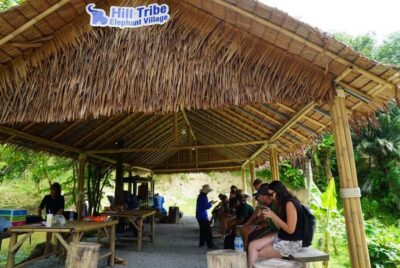
Elephant Sanctuary Guided Tour with Hotel Transfers
Read our review →
A Morning with the Elephants at Phuket Elephant Sanctuary
Read our review →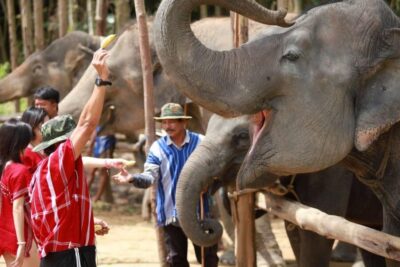
Elephant Experience with Lunch or Dinner and Pickup
Read our review →
Elephant Jungle Sanctuary Feed and Shower Trip
Read our review →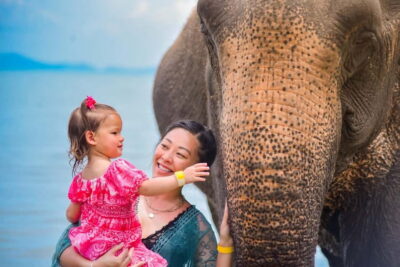
Beach walk with elephants, rain & care. 2.5 hours
Read our review →
Bukit Elephant Park Sanctuary Walk and Feed Tour
Read our review →
Browse the lists this tour appears in